
Getting from one country to another, or even from one city to another, can sometimes be a real slog. I have never been a fan of flights. I find that the process of check-in and check-out, combined with the runway wait and often-boring flight itself, to be an expensive and uninspiring way to move from place to place. This is why I try to find alternatives.
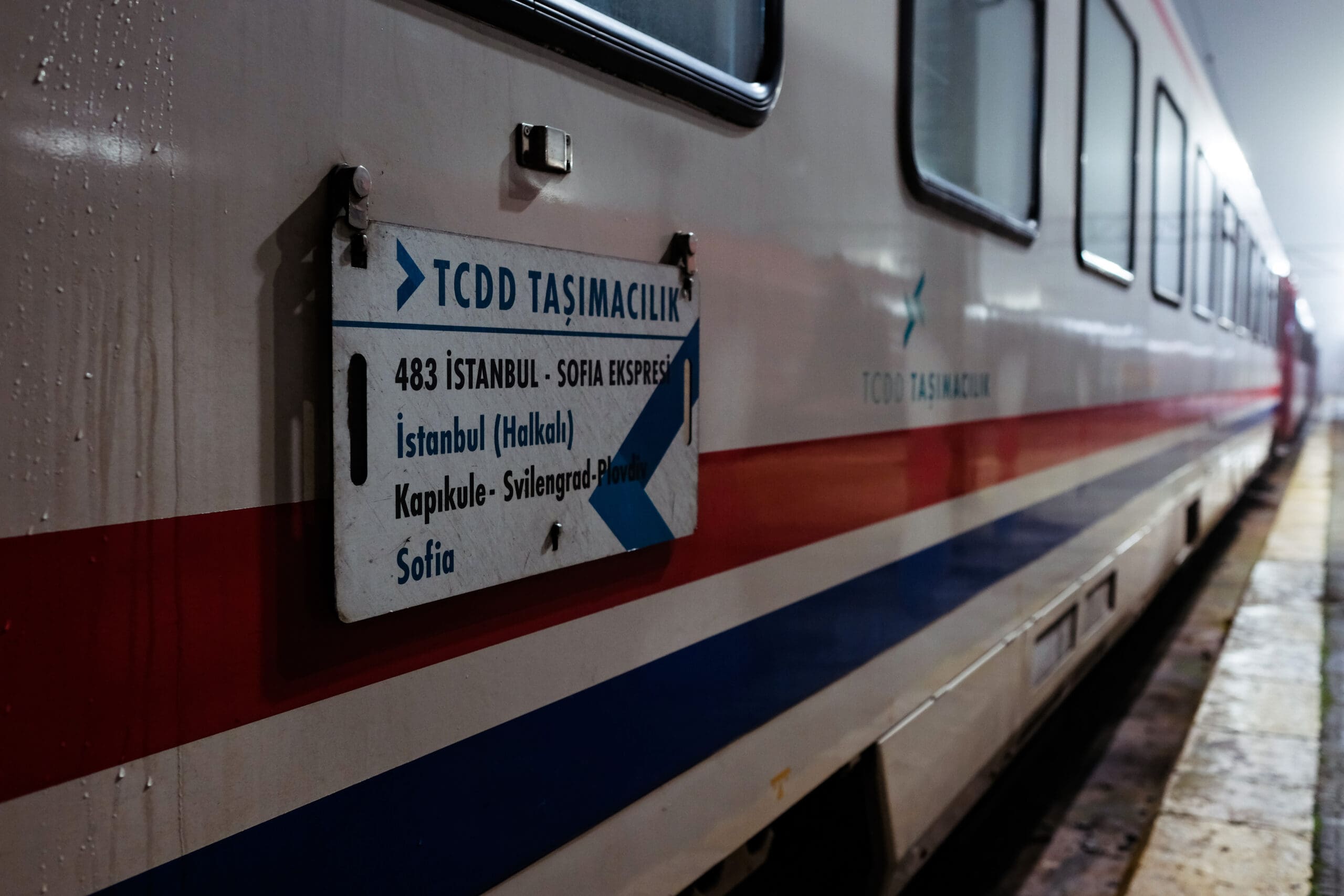
This particular journey is one I hope to do again and again, and even extend it for longer distances. The train from Istanbul to Sofia (the Istanbul-Sofia Express) is a joy, and makes the intercountry transfer feel like a little adventure holiday in itself. However, it’s not the most well-laid-out route. But, with a little guidance, it can be a breeze.
In this post:
When Does The Sleeper Train Run
As the name suggests, the train between Istanbul and Sofia is overnight. Typically, it leaves at either 20:00 or 21:40, depending on the time of year, and it runs every day. This gives you the chance to grab a bite to eat before you hop on board, unless you want to bring a meal on board.
Where Does it Leave and Arrive
The train leaves from Halkalı station in Istanbul and arrives at Sofia Central Station. Both of these are serviced by local public transport on regular lines and can also be reached by a reasonably priced taxi.
Buying Tickets
There are a number of options when buying your tickets for the Istanbul to Sofia sleeper train. The level of luxury you like determines the price. For an overnight trip, though, they’re a steal.
- Single Seat ~€36. This is the most basic ticket and provides a seat in a shared cabin. If you’re on a budget and don’t mind a room with up to three others, then this might be the option for you. It holds 2 sets of bunk beds.
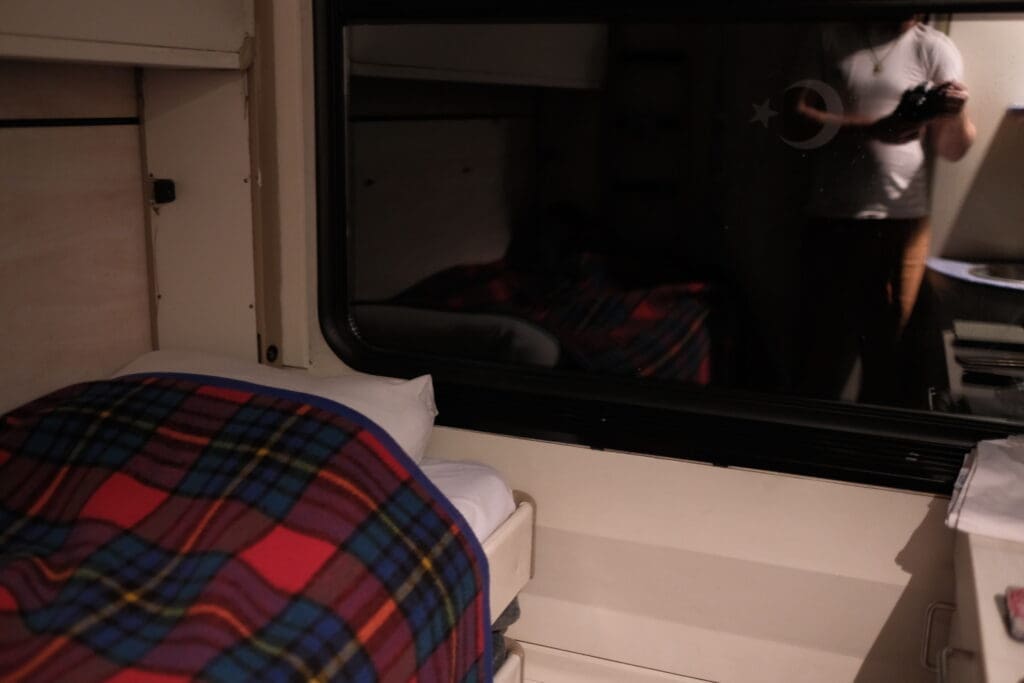
- Shared Twin ~€41. This is a room with one other passenger. The room comes with two beds in bunk formation that also fold into seats, a small sink and mirror, a table, and a small fridge. The room, if travelling alone, could come with a stranger.
- Private ~€75. This is the same as the shared twin except you get it all to yourself. If you don’t want to risk sharing with an unknown snorer, this is the best choice.
Tickets should be bought in advance, and must be purchased from the Sirkeci station right by the Bosphorus Sea. The station itself is stunning, and the location is one of my favorites in the city. It’s very central and easy to access.
To buy the tickets, head into the station and go to the offices on the left. Make sure you have your passport with you, as they will need to scan it. Provide a phone number and pay your fee, and you’ll receive a ticket with your personal room number and carriage printed on it.
Now, the only thing left to do is wait for your day of departure and head to Halkalı station.
Preparing To Depart
For the most part, everything you might need for sleeping is already supplied on the sleeper train. A freshly cleaned pillow and bedding are provided, wrapped in plastic so you know it’s sanitized. A small bottle of water is kept in the fridge, but that’s as far as it goes for food and drink on board. There is no dining car.
I also suggest bringing drinking water. Unsurprisingly, the water on board isn’t potable.
Charge your electronics. The train advertises electric outlets, but I had a problem with mine, possibly due to the large adapter I was using. Either way, better to be prepared. The train is old.
There is no Wifi on board. However, I was able to work by tethering to my own hotspot, which remained mostly connected throughout the journey.
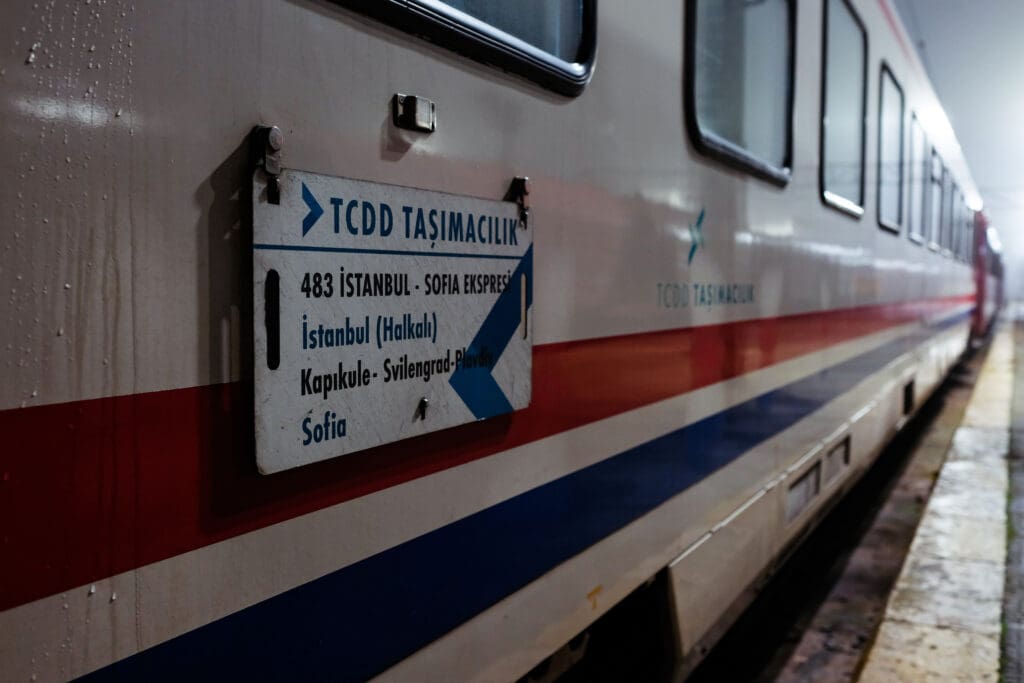
Boarding The Sleeper Train to Sofia
Arrive at Halkalı station in Istanbul with a bit of time to spare. The station isn’t large, and platforms are easy to find. Just allow for the journey there to go awry. Once you’re at the station, the train’s number and destination will be displayed overhead along with its platform.
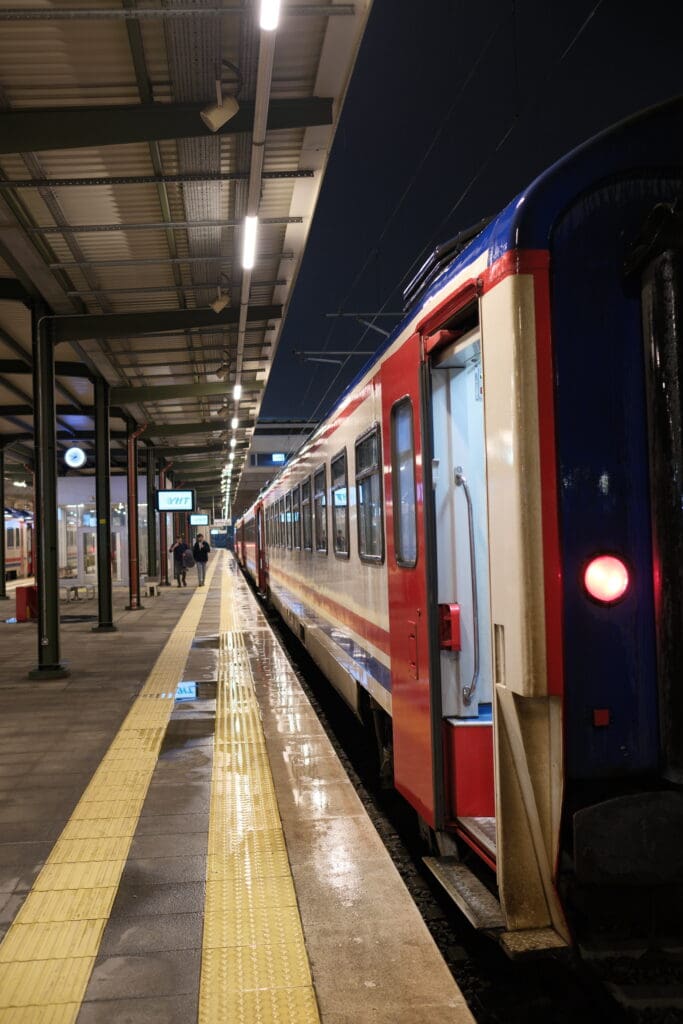
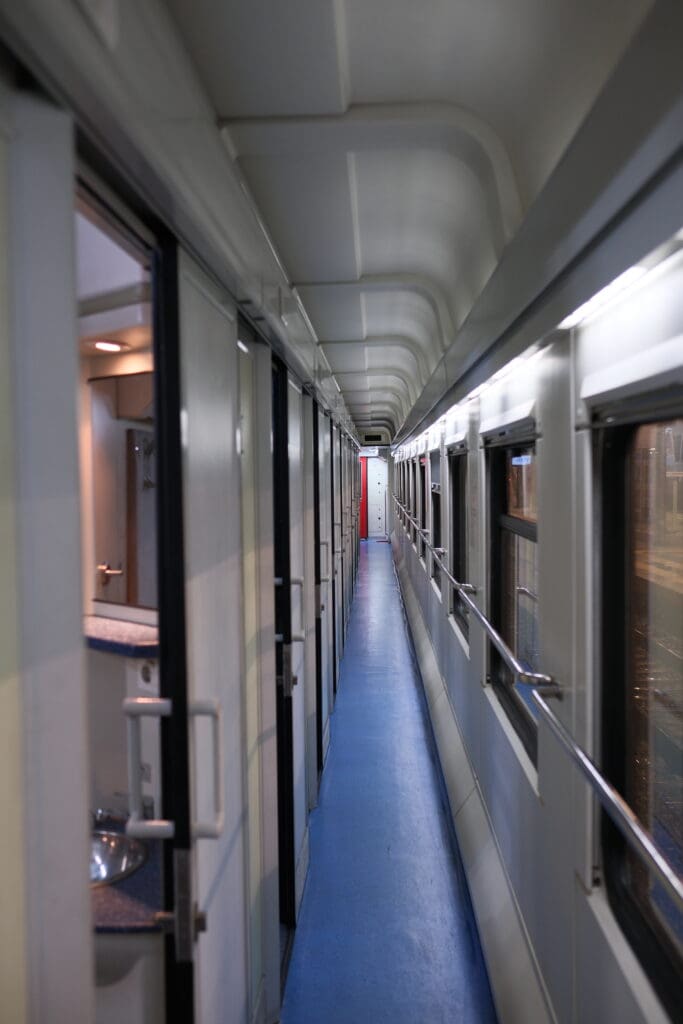
Your ticket has both your carriage and room printed. If you want a little help, the conductors and platform staff were more than happy to guide you to where you’re going. They helped load kids, luggage, and everything else onto the train and into carriages.
Once you find your berth, settle in, make friends with your bunkmate, and prepare for a slow, beautiful journey from Istanbul to Sofia. I was lucky, having booked a shared room, to have nobody else with me for the whole journey. This is not guaranteed.
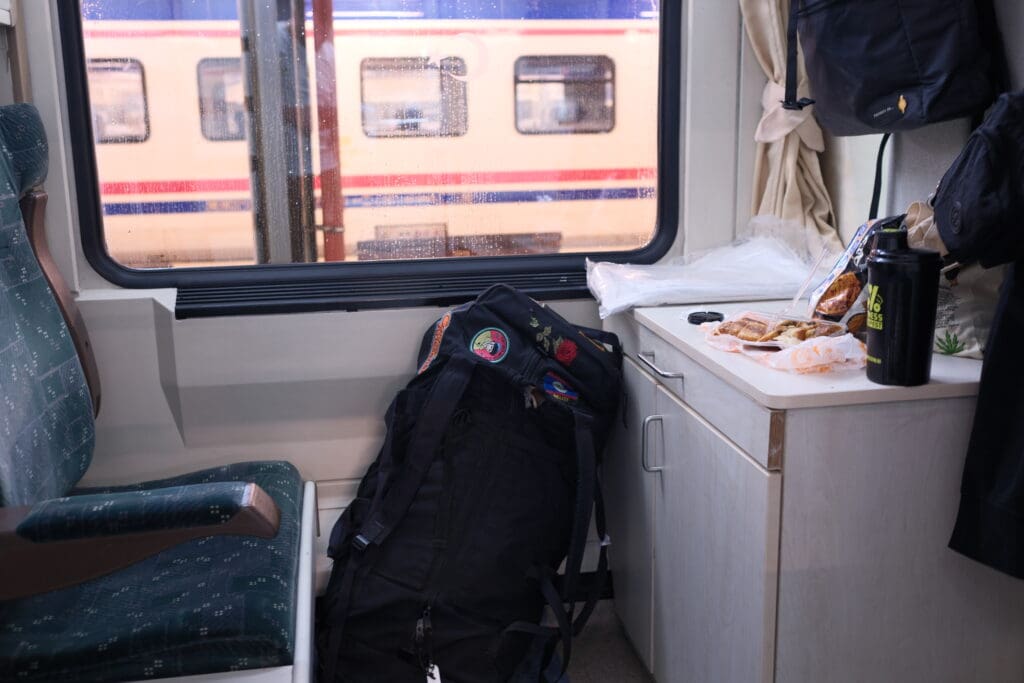
In preparation, I boarded with a small picnic. I was leaving somewhere I consider to be the food capital of the world, and I wanted one last bite of some of my favorites as I left. I was able to stash cheeses and meats in the small fridge for the morning, and the fold-out table was more than big enough to prepare my meals.
Passports and Borders
As the train begins to roll out of the station, the conductor will make his way through the cars, knocking on doors and taking tickets and passports. He will, with a very friendly attitude in my case, check it off against his list, and wish you a pleasant journey. Now all there is to do is sit back and wait for the border.
I spent the next few hours looking out the window, writing a little, and eating my picnic. As I got comfortable, I made my bed and lay down, still able to enjoy the view as we rolled through towns, cities, and countryside.
I eventually fell asleep. The gentle rocking of the car combined with the rhythmic clack of unwelded line will do that. However, at some point in the very early hours, we were woken by the same conductor knocking on the doors. For those who didn’t wake, he was able to flash the interior lights from outside the cabin.
Passport Control #1
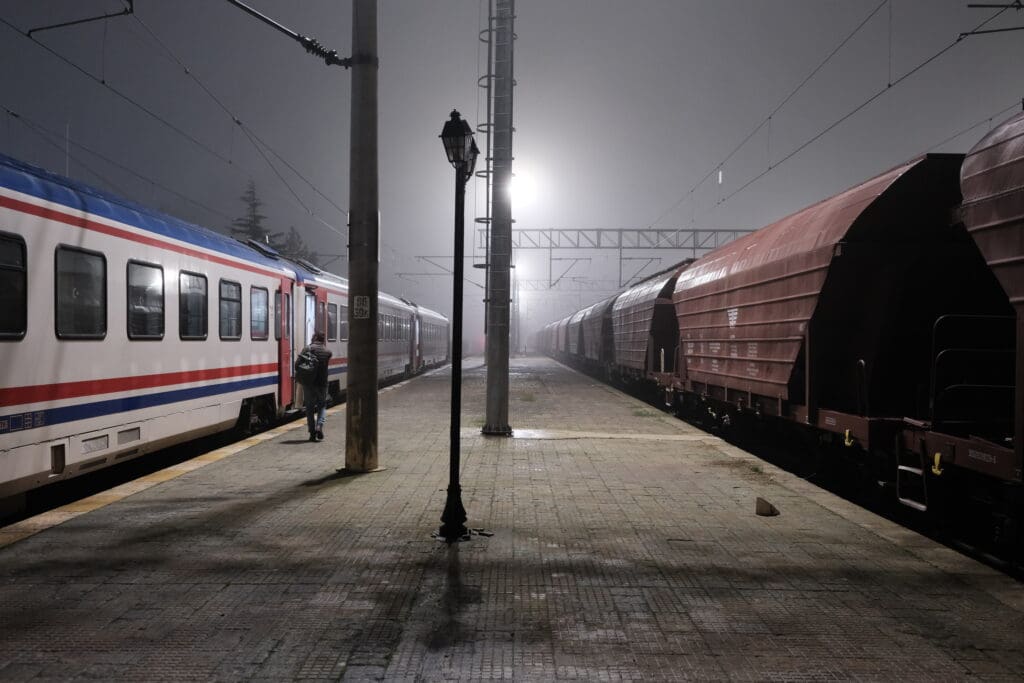
We emptied onto a silent platform surrounded by freight trains. A short walk through a tunnel took us to the station house, where the Turkish immigration office for exit immigration is located. For me, the process was painless. I handed over my passport, pulled the same grimace I have in my photo, and got my exit stamp and well wishes for my onward journey. I gave the station cat a pet on my way out and climbed back on board.
Passport Control #2
The next border is about an hour away as the train moves at a snail’s pace (and goes through a locomotive change) through no man’s land, but it’s much easier. Here, passport control takes everyone’s documents on the train. Eventually, after half an hour, they returned with the entry stamp, and we moved on.
There was nothing left to do but sleep until the train rolled into Sofia Central Station.
Arrival in Sofia
When I took this journey, we arrived in Sofia at around 10.30 am, making the trip about 14 hours in total. It could be done in a fraction of the time by car, but sometimes slower is better.
The station has its taxi hawkers and peddlers of dubious wares, but they can be ignored. Uber, inconveniently, is not available in Bulgaria, so you’ll have to use a local taxi app. Both TaxiMe and Yellow Taxi are available on iPhone and Android, and I have used them both. They are reliable, cheap, and indistinguishable from your usual taxi app.
Bottom line
Similar to night trains in Europe, the train between Istanbul and Sofia is a solid option if you find the idea of adding a mini adventure as part of your travel in Turkey and Bulgaria appealing. While it may not stack up to the comforts of a lie-flat suite in business class, The Istanbul-Sofia Express offers a slower, more romantic way to travel, with just enough old-world charm to make casually taking a night train feel like an obvious choice.